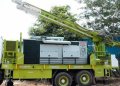



























Exporting drilling rigs involves more than selecting suitable machinery. Buyers must consider operating requirements, equipment condition, documentation, transport arrangements, and destination-country regulations before committing to an international purchase.
Working with experienced construction equipment rig exporters can help businesses organize these requirements and reduce avoidable delays. A structured export process makes it easier to evaluate equipment, coordinate logistics, and prepare machinery for delivery to demanding project locations.
Preparing Equipment Choices for International Rig Exports
Selecting the right rig begins with understanding the project’s technical and operational requirements. Buyers should assess equipment specifications, site conditions, and transport limitations before finalizing a purchase.
- Define project requirements: Identify drilling depth, ground conditions, required capacity, power systems, and intended applications. These details help narrow equipment options and prevent costly mismatches after delivery.
- Evaluate equipment condition: Review maintenance records, operating hours, inspection reports, and replacement-part availability. For used rigs, request details on previous repairs and any outstanding mechanical concerns.
- Compare technical specifications: Examine dimensions, weight, drilling capabilities, hydraulic systems, and compatibility with supporting equipment. Confirm that the selected machinery suits project demands and local operating conditions.
- Check destination requirements: Verify applicable safety standards, import restrictions, emissions rules, and certification requirements before arranging shipment. Requirements vary by country, so early confirmation helps avoid unexpected compliance issues.
Careful equipment evaluation helps buyers select machinery that meets operational needs while reducing the risk of costly complications during international delivery.
Managing Documentation and Shipping Requirements
International rig exports require coordination between sellers, buyers, freight providers, customs representatives, and other parties involved in delivery. Accurate paperwork and realistic schedules help keep the process organized.
- Prepare export documentation: Depending on the shipment, required records may include commercial invoices, packing lists, certificates of origin, transport documents, and export declarations. Confirm precise requirements with relevant authorities and customs professionals.
- Plan transport arrangements: Assess whether the rig requires containerized shipping, flat-rack transport, or specialized heavy-lift handling. Oversized machinery may need route assessments, permits, lifting equipment, and coordinated loading arrangements.
- Protect machinery during transit: Secure moving components, protect exposed surfaces, and follow suitable preservation procedures. Proper preparation can reduce the risk of corrosion, impact damage, and avoidable post-arrival maintenance.
- Coordinate delivery schedules: Account for customs clearance, port handling, inland transportation, and possible inspection delays. Realistic time buffers help project managers plan equipment installation and operational readiness.
Well-organized documentation and shipping arrangements help minimize delays, protect machinery during transit, and support a smoother delivery process.
Reducing Export Risks Through Careful Coordination
Successful exports require clear communication and documented responsibilities. Buyers should confirm payment terms, delivery obligations, customs responsibilities, and suitable Incoterms before shipment. Appropriate transit insurance can protect against transportation risks. Businesses should also verify unloading capacity, access roads, storage facilities, and installation resources at the destination. Careful coordination helps prevent delays, control costs, and ensure smoother international rig deliveries.
Conclusion
International rig exports become more manageable when you plan equipment selection, compliance, documentation, and logistics together. Careful preparation helps buyers make informed purchasing decisions, protect valuable machinery, and coordinate delivery according to project requirements.
The right equipment partner can help simplify sourcing and export planning. Before choosing a drilling rig exporter, buyers should assess technical specifications, equipment availability, shipping arrangements, and after-sales support. Prime Rigs supports businesses exploring drilling equipment for demanding operational needs, helping them review suitable options and discuss project-specific requirements. Their team can clarify specifications, availability, and export arrangements, enabling buyers to compare their options and make informed purchasing decisions.