
























The landscape of digital entertainment has witnessed a transformative shift with the integration of physics-based mechanics into puzzle games. This evolution reflects a broader industry trend—grounded in realism and player immersion—that leverages sophisticated physics engines to craft compelling, intuitive gameplay experiences. As we analyze this trend, understanding specific case studies and emerging titles provides critical insight into the future trajectory of interactive entertainment.
The Historical Context: From Classical Puzzles to Physics-Driven Platforms
Traditional puzzle games such as Tetris and Puzzle Bobble set foundational gameplay mechanics rooted in spatial reasoning and pattern recognition. However, the advent of advanced physics engines—beginning with early implementations in arcade and PC games in the late 2000s—allowed developers to introduce more organic and dynamic environments. Titles like Angry Birds exemplify this paradigm, where physics is integral to gameplay, requiring players to calculate trajectories and physical interactions.
“Physics-based gameplay creates a more intuitive connection between player actions and in-game consequences, ultimately leading to higher engagement and satisfaction.” — Dr. Lila Matthews, Gaming Psychologist
Emergence of Realism and Interactivity: How Physics Engines Shape Player Experience
The use of physics engines—such as Havok, Bullet, and proprietary middleware—has empowered game designers to craft worlds where objects behave in convincingly realistic ways. This results in a richer, more tactile experience that transcends static puzzles. For instance, the tactile feedback of knocking over structures or manipulating fluids in puzzles adds layers of depth that challenge both cognitive and motor skills.
In this context, games are no longer just about solving abstract problems but also about mastering the interaction between their virtual worlds and real-world physics principles. This shift enhances the game’s educational value, promoting intuitive learning about physical laws without explicit instruction, making play both fun and pedagogically effective.
Case Study: The Rise of Physics-Centric Puzzle Titles
By examining recent examples such as Experience the physics-based game Drop The Boss, we observe how innovative design leverages physics to create engaging challenges. Drop The Boss integrates gravity, inertia, and collision detection to craft puzzles where players must think dynamically, not just logically.
| Game Title | Physics Engine | Core Gameplay Element | Platform |
|---|---|---|---|
| Drop The Boss | Proprietary Physics Simulation | Gravity and collision puzzles | PC, Mobile |
| Angry Birds | Havok Physics | Trajectory-based destruction | Multiple platforms |
| Cut the Rope | Box2D | Rope physics and object interaction | Mobile |
Expert Insights: The Future of Physics-Driven Puzzle Gaming
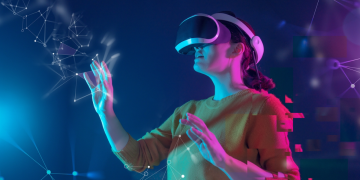
As technological capabilities advance, the integration of physics into puzzle games is poised to become even more seamless and immersive. The emergence of real-time ray tracing and AI-driven physics simulations allows developers to create adaptive puzzles that respond to player behavior with unprecedented realism. Moreover, the application of physics in virtual reality environments stands to redefine how players interact with puzzles altogether.
Industry analysts predict that the next wave of physics-based puzzle games will emphasize tactile feedback, haptic interactions, and environmental storytelling, demanding more from both players’ spatial reasoning and physical intuition.
Conclusion: Embracing Realism to Elevate Player Engagement
In sum, the integration of physics into puzzle gaming is not merely a technological trend but a fundamental shift in design philosophy that enhances player agency, learning, and enjoyment. Initiatives like Experience the physics-based game Drop The Boss exemplify how this approach fosters engaging, intuitive challenges that resonate with modern audiences seeking both entertainment and cognitive stimulation.