

























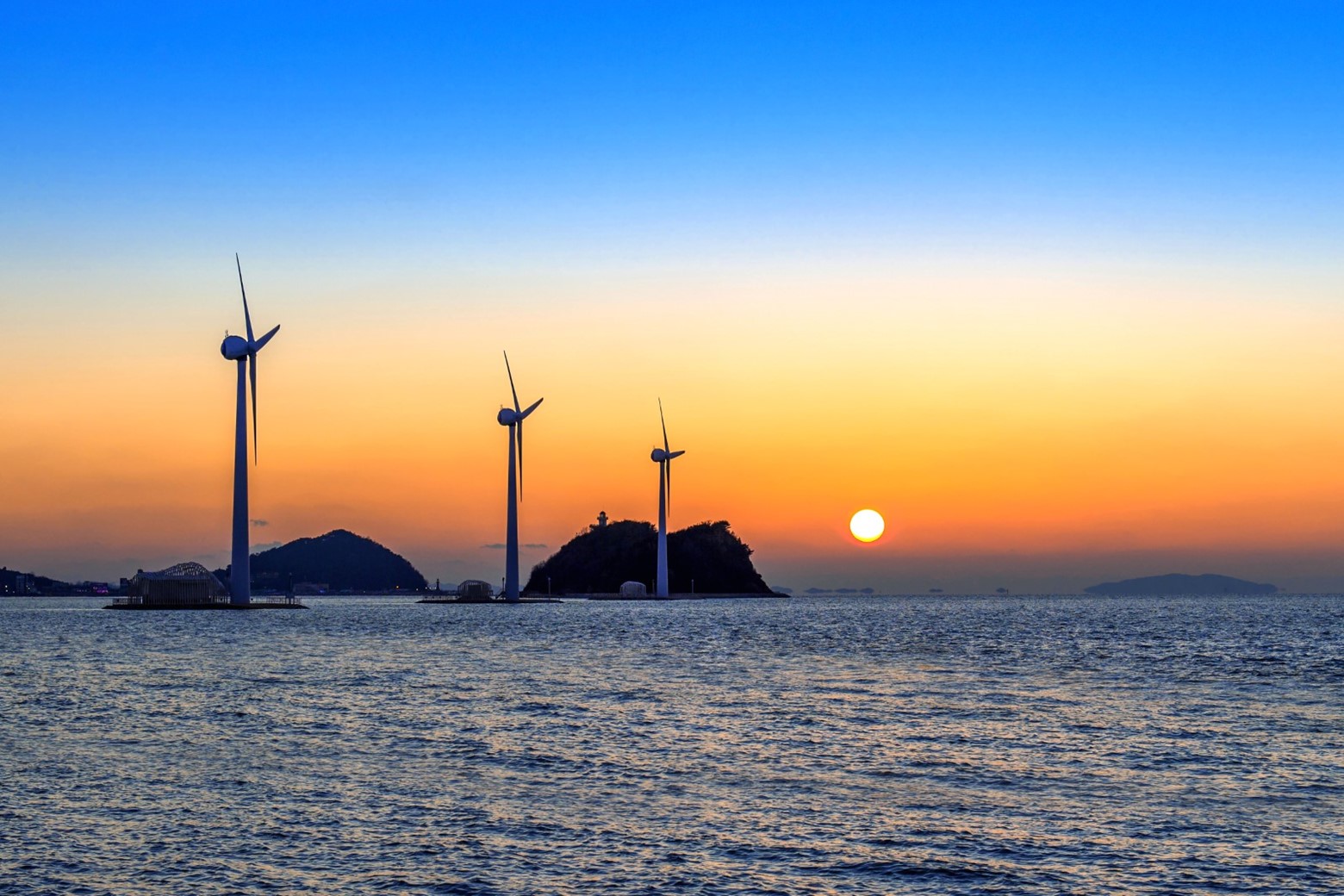
The enormous turbines spinning over the ocean are visible to all. They are blind to the fact that everything is literally held together by an underwater foundation, which is actually much more delicate than you might imagine. An offshore wind farm’s seabed is more than just “the bottom of the ocean.” This entire intricate geological world has the power to make or break your project’s long-term success. If you make a mistake, you may end up with turbines that are unable to support the weight, shifting foundations, or maintenance costs that make accountants cry.
Why the Ocean Floor Isn’t Just Wet Dirt
The composition of the seabed varies widely, which is something that surprises people. You may have loose sand, packed clay, hard rock, or even these mushy silt layers that behave completely differently under pressure. When attempting to anchor large structures that must withstand continuous wind and waves for more than 25 years, each one presents unique challenges.
Rock Creates Anchoring Headaches
Hard rock sounds perfect at first—solid and unmoving, right? Plot twist: it’s actually a pain to work with. Drilling into bedrock requires super specialized equipment that sends costs through the roof. Monopile foundations, the go-to choice for most offshore wind operations, need to go deep into the seabed. When you hit rock, that whole process becomes exponentially harder and more expensive. Some locations end up requiring completely different foundation types, like gravity-based structures that just sit on top instead of drilling down deep.
Sand Shifts When You’re Not Looking
Sandy seabeds seem way easier initially—foundations go in without all that drama rock gives you. But here’s the thing about sand: it moves. Ocean currents can slowly wash sand away from around your foundations over time, something engineers call undermining. Left alone, this literally pulls the ground out from under your turbine. Engineers plan for potential scour and usually install protective barriers like dumping rocks or laying concrete mattresses around the base. That’s more material, longer installation time, and yep—more money on the table.
Clay Sounds Perfect Until It Isn’t
Dense clay offers solid holding power without rock’s installation nightmare. It grips foundations well and fights off erosion better than sand does. The problem? Clay layers aren’t always consistent. You might find different densities as you go deeper, or clay mixed in with other stuff. Some clay types also go through what’s called cyclic degradation—basically, all that repeated stress from waves and turbine operation slowly weakens their structure. So foundations might look great year one but start struggling way down the road.
The Installation Equation Changes Completely
Seabed conditions directly determine which installation vessels you can use, how deep foundations need to go, and sometimes even what months you can actually work. Rocky seabeds might need specialized drilling rigs that aren’t sitting around in every port. Soft sediments might require longer piles to reach stable ground, which means more material and way more installation complexity.
Weather Windows Get Tighter
Certain seabed types need calmer seas for installation work. When you’re dealing with super precise positioning or delicate drilling, you can’t just muscle through choppy weather. This squeezes your working windows tight, potentially limiting you to specific seasons only. In places with brutal winters, that compressed timeline can push projects back months or even entire years.
The Equipment Match-Up Matters
Not every installation vessel handles every seabed type the same way. Jack-up vessels, which extend legs down to the seabed for stability, really struggle with super soft sediments where legs just keep sinking. Floating vessels dodge that problem but come with their own headaches around precision and working conditions. Getting the wrong match between vessel and seabed means delays, possible damage, or scrambling to bring in different equipment halfway through.
Offshore Wind Operations Nobody Talks About
Once turbines are up and spinning at your offshore wind farm, seabed conditions keep influencing how everything performs in ways that aren’t obvious at all.
Foundation Movement You Can’t See
Even tiny bits of foundation tilt or settling mess with turbine operation. If the seabed can’t keep things perfectly stable, you get alignment problems that create vibration, speed up wear on components, and tank efficiency. Some seabeds go through gradual consolidation—they slowly compact under the foundation’s weight, causing small but real settlement over the years.
Maintenance Access Gets Complicated
Softer seabeds usually need more frequent check-ins and possible fixes. Scour protection might need fresh material added. Foundation grouting might need some TLC. Every maintenance trip means coordinating vessels, crews, weather windows, and yeah—more costs. Hard seabeds might be brutal to deal with upfront but often need way less hand-holding over time.
The Lifespan Question
Seabed conditions can shorten the 25–30 years that offshore wind farms are intended to last if they are not properly managed from the beginning. Unexpected scour, unexpected sediment movement, or foundations that deteriorate more quickly than anticipated can all result in early shutdown or extremely costly mid-life repairs.
Why This Matters for Offshore Wind Operations Going Forward
Seabed challenges only become more complex as offshore wind farms expand into deeper waters and more difficult environments. By avoiding the need for foundations to be drilled into the seabed, floating wind technology avoids some issues, but even floating platforms require anchoring systems that must deal with whatever is below the surface.
The unpleasant truth is that, despite being relatively inexpensive components of project budgets, seabed surveys and geotechnical investigations essentially determine whether or not everything else succeeds. Here, taking shortcuts—using outdated data, underestimating the degree of condition variation, or using inadequate soil samples—causes issues that plague projects for decades.
Astute developers invest significant resources up front to fully comprehend the workings of their turbines. They model a variety of scenarios, conduct in-depth surveys, and collect tons of soil samples. It’s not as glamorous as installing enormous turbines, but it’s what distinguishes projects that succeed from those that turn into horror stories that no one wants to discuss.
When planning offshore wind operations, the ocean floor may not be visible, but it cannot be ignored.