
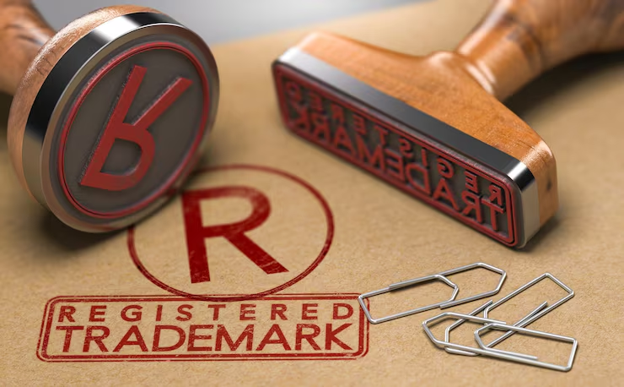
Building a brand takes time, money, and creative energy. Whether you run a small business, a growing startup, or a personal creative project, your brand name and logo are among your most valuable assets. Yet many business owners delay or overlook the process of formal trademark protection — often until it is too late. Understanding what trademark registration involves and why professional services matter can save you from serious legal and financial setbacks down the line.
What Is a Trademark and Why Does It Matter?
A trademark is a word, phrase, symbol, logo, or combination of these elements that identifies the source of goods or services and distinguishes them from those of competitors. Trademarks exist to protect consumers from confusion and to give businesses exclusive rights to the identifiers they have built.
Without trademark protection, any other party could legally use a name or logo similar to yours, divert customers, and erode the value of your brand — sometimes without any immediate legal recourse available to you. Federal registration with the United States Patent and Trademark Office (USPTO) provides nationwide protection and creates a public record of your ownership, which deters copycats and strengthens any future infringement claims.
The Trademark Registration Process: Step by Step
The path from idea to registered trademark involves several important stages. Many business owners underestimate the complexity of the process, which is one reason professional assistance is so valuable.
Step 1: Trademark Search
Before filing an application, you need to confirm that your mark does not conflict with any existing registered trademarks. The USPTO database allows public searches, but a comprehensive search also covers state registrations, common law uses, and similar-sounding marks across related industries. Skipping this step can result in your application being rejected — or worse, a legal dispute after you have already invested in brand-building.
Step 2: Identifying the Correct Trademark Class
The USPTO uses an international classification system that groups goods and services into 45 categories. Your application must specify which class or classes apply to your business. Filing under the wrong class can leave gaps in your protection, while filing across multiple classes increases costs.
Step 3: Preparing and Filing the Application
Your application must include a clear representation of the mark, a description of the goods or services it covers, and a specimen showing how the mark is used in commerce. Errors in any of these elements can lead to office actions, additional fees, or outright rejection.
Step 4: USPTO Review and Examination
After submission, a USPTO examining attorney reviews your application. If issues arise — such as a conflict with an existing mark or a technical deficiency — they will issue an office action to which you must respond within a set timeframe. These responses require careful legal argumentation to be effective.
Step 5: Publication and Registration
If your application passes examination, it is published in the Official Gazette for a 30-day opposition period, during which third parties can challenge it. If no opposition is filed, your trademark proceeds to registration.
Working with professional trademark registration services streamlines each of these steps, reduces the risk of costly errors, and ensures your application is filed correctly the first time.
Common Mistakes Business Owners Make Without Professional Help
Many applicants who attempt to navigate the trademark process alone encounter avoidable problems:
Insufficient search: A surface-level search misses phonetically similar marks or marks in related industries, leading to rejection or future disputes.
Incorrect goods/services description: Being too broad or too narrow in describing what your mark covers can undermine the strength of your registration.
Missed deadlines: The USPTO has strict timelines for responding to office actions and maintaining registrations. Missing these can result in abandonment.
Choosing an unregistrable mark: Marks that are purely descriptive of the goods or services they represent are generally not eligible for registration on the principal register without acquired distinctiveness.
Benefits of Registering Your Trademark at the Federal Level
- Nationwide legal presumption of ownership and exclusive use of the mark in connection with your goods or services
- The right to use the ® symbol, signaling formal protection to the market
- Public notice that deters others from adopting similar marks
- A basis for international trademark registration under international treaties
- Eligibility to record your mark with U.S. Customs to prevent importation of infringing foreign goods
When Is the Right Time to Register?
The ideal time to file is as early as possible — ideally before you launch your brand publicly. The USPTO operates on a first-come, first-served basis, meaning whoever files first generally has priority. If you are still in the planning stages, you can file an intent-to-use application before the mark is officially in commerce, reserving your rights while you prepare for launch.
Conclusion
A registered trademark is not just a legal formality — it is a strategic business asset that protects everything you have worked to build. Whether you are just starting out or looking to formalize an established brand, the sooner you pursue registration, the stronger your position will be. Professional guidance through the process is an investment that pays dividends in security, credibility, and long-term brand value.