
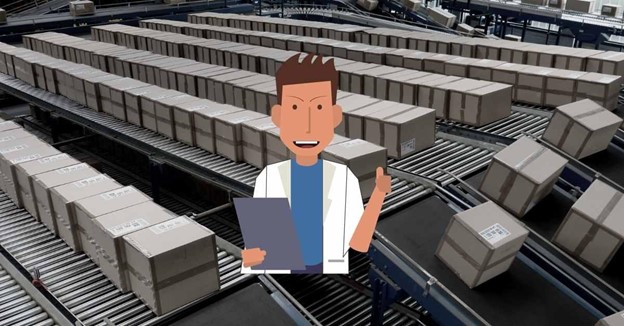
Packaging is often treated as the final step in manufacturing, but in reality, it is the first thing customers, regulators, and logistics partners interact with. A perfectly manufactured product can still fail in the market if its packaging does not protect, inform, or comply with requirements.
As supply chains stretch across borders and handling points multiply, packaging becomes a critical quality variable. Its performance affects not only product safety but also brand perception, regulatory acceptance, and overall customer confidence.
Why Packaging Is a Quality-Critical Component
Packaging serves multiple functions at once. It protects the product from physical damage, contamination, moisture, and temperature variation while also carrying labels, instructions, and compliance markings.
When packaging fails in any of these roles, the consequences can include product recalls, rejected shipments, or legal exposure. This makes packaging quality a core part of manufacturing risk management rather than a cosmetic afterthought.
Common Packaging-Related Failure Points
Many quality issues originate not from the product itself but from packaging weaknesses. Poor material strength can lead to crushing during transit, while incorrect sealing can cause leaks or contamination.
Labeling errors are equally damaging. Missing information, incorrect language, or unreadable print can result in customs delays or regulatory non-compliance even when the product inside meets every standard.
How Packaging Evaluation Fits into Quality Systems
A structured Packaging quality inspection focuses on verifying materials, dimensions, sealing integrity, labeling accuracy, and overall presentation. It checks whether packaging meets design specifications and performs reliably under real transport and storage conditions.
This evaluation ensures that packaging aligns with product risk levels. Fragile, liquid, or regulated goods demand higher packaging standards, and inspection helps confirm those standards are consistently met.
Linking Packaging Controls to Overall Quality Assurance
Packaging checks become truly powerful when they are integrated into broader quality frameworks. Instead of operating as an isolated step, packaging verification should feed into supplier performance metrics and corrective action systems.
By connecting packaging findings to root cause analysis, manufacturers can identify whether issues stem from material sourcing, equipment settings, or handling practices earlier in the process.
Strengthening Final Product Reliability
Effective Quality Control Inspection relies on the idea that every stage of production contributes to the final outcome. Packaging is the last safeguard before products leave the factory, making it a decisive quality checkpoint.
When packaging is inspected with the same rigor as product dimensions or functionality, the likelihood of post-shipment failures drops significantly. This leads to fewer customer complaints and more predictable delivery performance.
Reducing Rejections and Returns
Packaging-related defects are a leading cause of shipment rejections at warehouses, ports, and distribution centers. Damage discovered at this stage often cannot be repaired, resulting in total loss of goods.
Consistent packaging verification reduces these risks by catching weaknesses before dispatch. It ensures that packaging can withstand stacking, vibration, and environmental exposure throughout the logistics chain.
Supporting Regulatory and Market Compliance
Different markets impose different packaging and labeling rules. From material safety requirements to language and symbol standards, compliance failures can block market entry entirely.
Systematic packaging checks help ensure that products meet destination-specific requirements before they ship. This proactive approach prevents costly relabeling, repacking, or product disposal at the destination.
Enhancing Brand Trust Through Packaging Consistency
Customers often judge product quality before they even open the box. Torn cartons, misaligned labels, or inconsistent branding immediately signal poor quality control, regardless of the product’s actual performance.
Maintaining high packaging standards reinforces brand credibility. It shows attention to detail and respect for the end user, both of which influence repeat purchases and long-term loyalty.
Turning Packaging into a Strategic Advantage
Companies that invest in packaging verification gain more than defect prevention. They gain data on supplier performance, material durability, and design effectiveness.
This insight allows businesses to refine packaging specifications over time, optimize costs without sacrificing protection, and respond faster to changing regulatory or market demands.
Conclusion
Packaging is not just a container; it is a functional and regulatory extension of the product itself. Treating it as a critical quality element strengthens the entire manufacturing and delivery process.
By embedding packaging evaluation into broader quality practices, businesses protect products, reduce risk, and deliver a more reliable and professional experience to the market.